Welcome to Dromahair Park

Discover the rich history, heritage, and natural beauty of Dromahair Park through 10 Interactive Activity Points located along the walking trail.

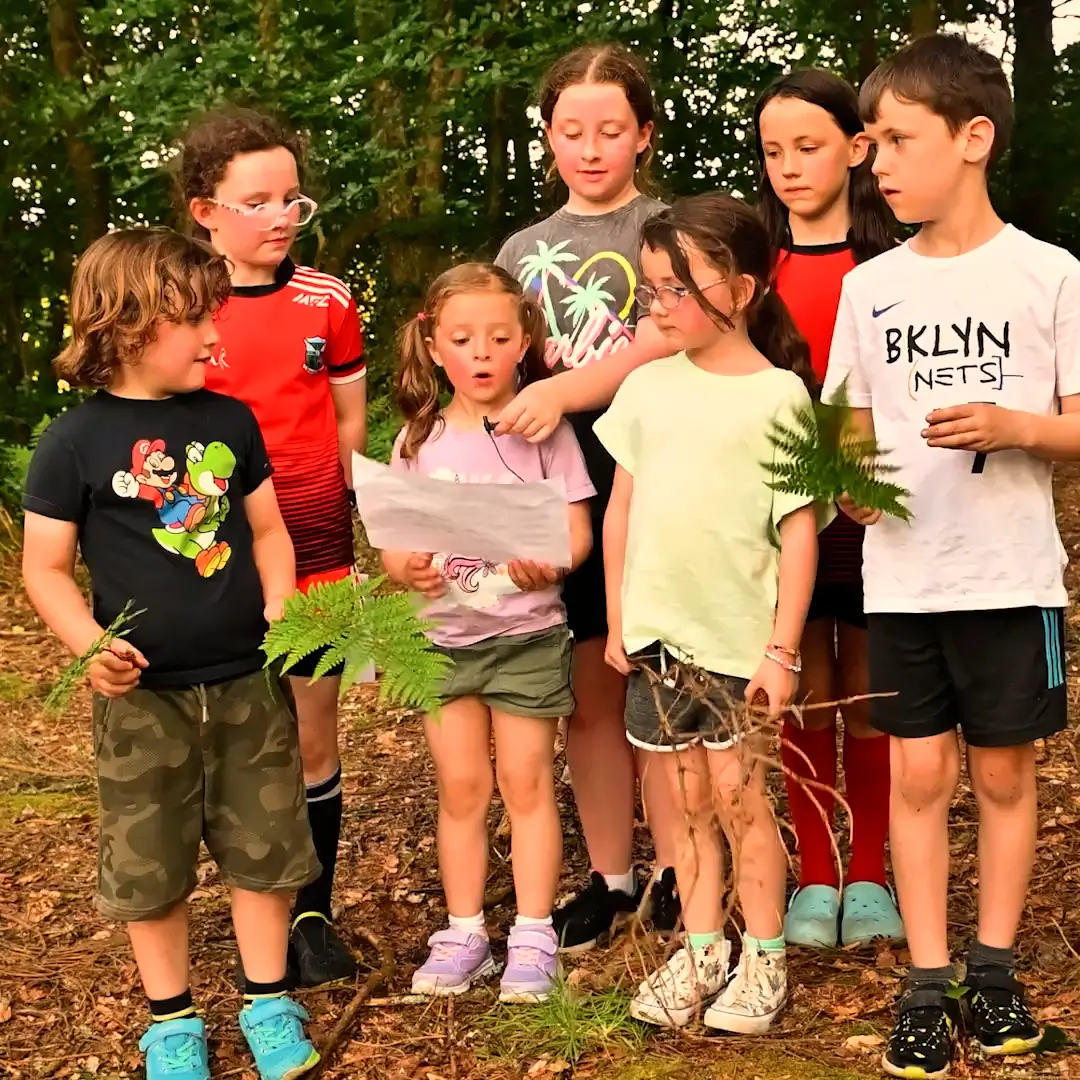
At each point, simply scan the QR code to watch short videos featuring local children and experts sharing stories and insights about the park—bringing to life the places you pass every day.

Begin your journey and discover Dromahair Park!

THE RIVER BONET

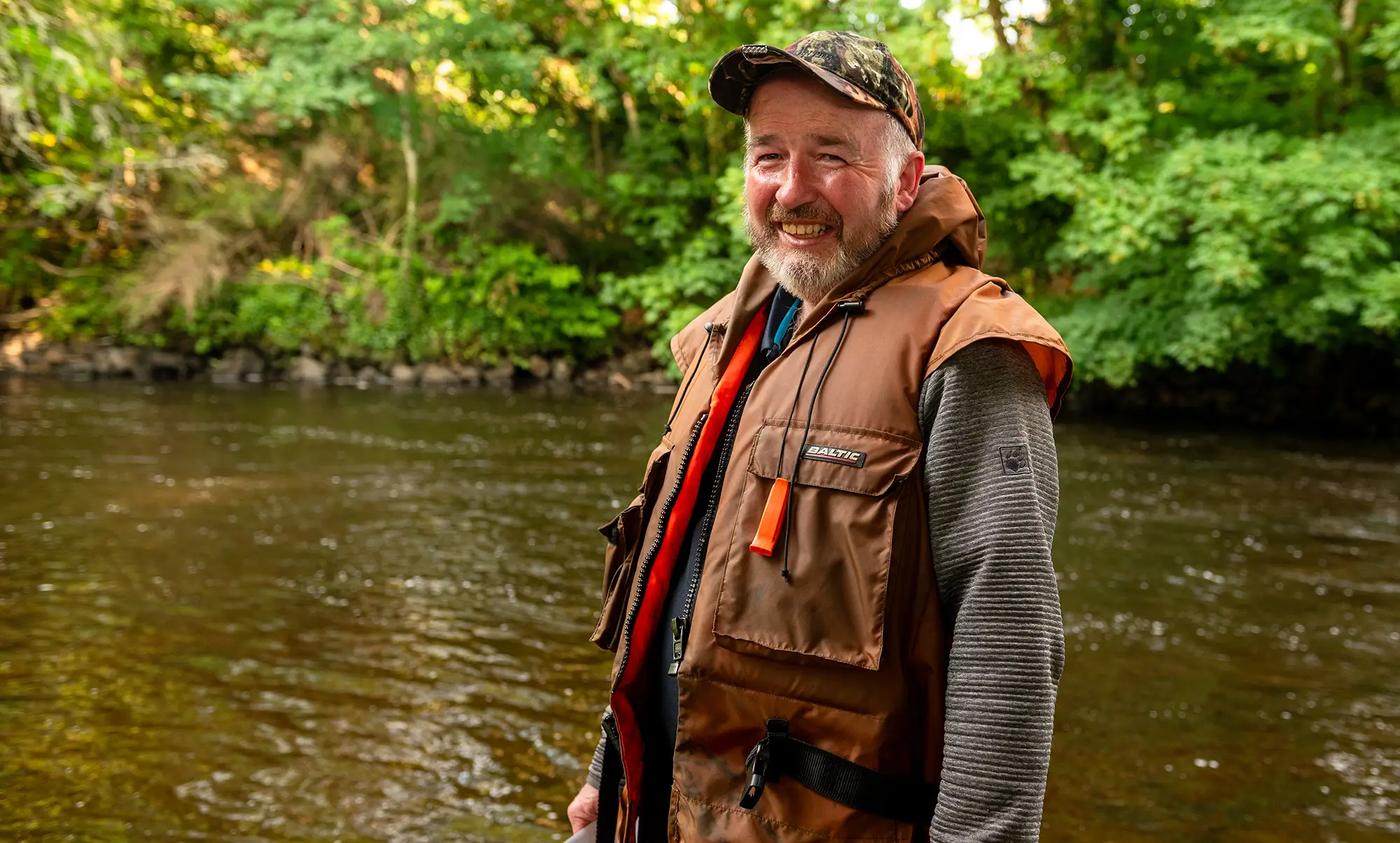
The River Bonet is a beautiful and tranquil river in County Leitrim, perfect for anyone looking to explore Dromahair’s natural charm. It begins at the peaceful Glenade Lake north of Manorhamilton, then winds west through Dromahair village and park, before joining the eastern end of Lough Gill. The river is popular for spring salmon and coarse fishing such as pike, perch, bream, roach and eel.

Whether you’re casting a line or just taking in the scenery, this bank of the River Bonet is a lovely spot to relax, walk and discover
Dromahair Park.

For more information on fishing on The River Bonet 
visit Dromahair Anglers

Dromahair Anglers

THE RIVER BONET

WHY WATER QUALITY MATTERS

THE RIPPLE EFFECT WHY
WATER QUALITY MATTERS

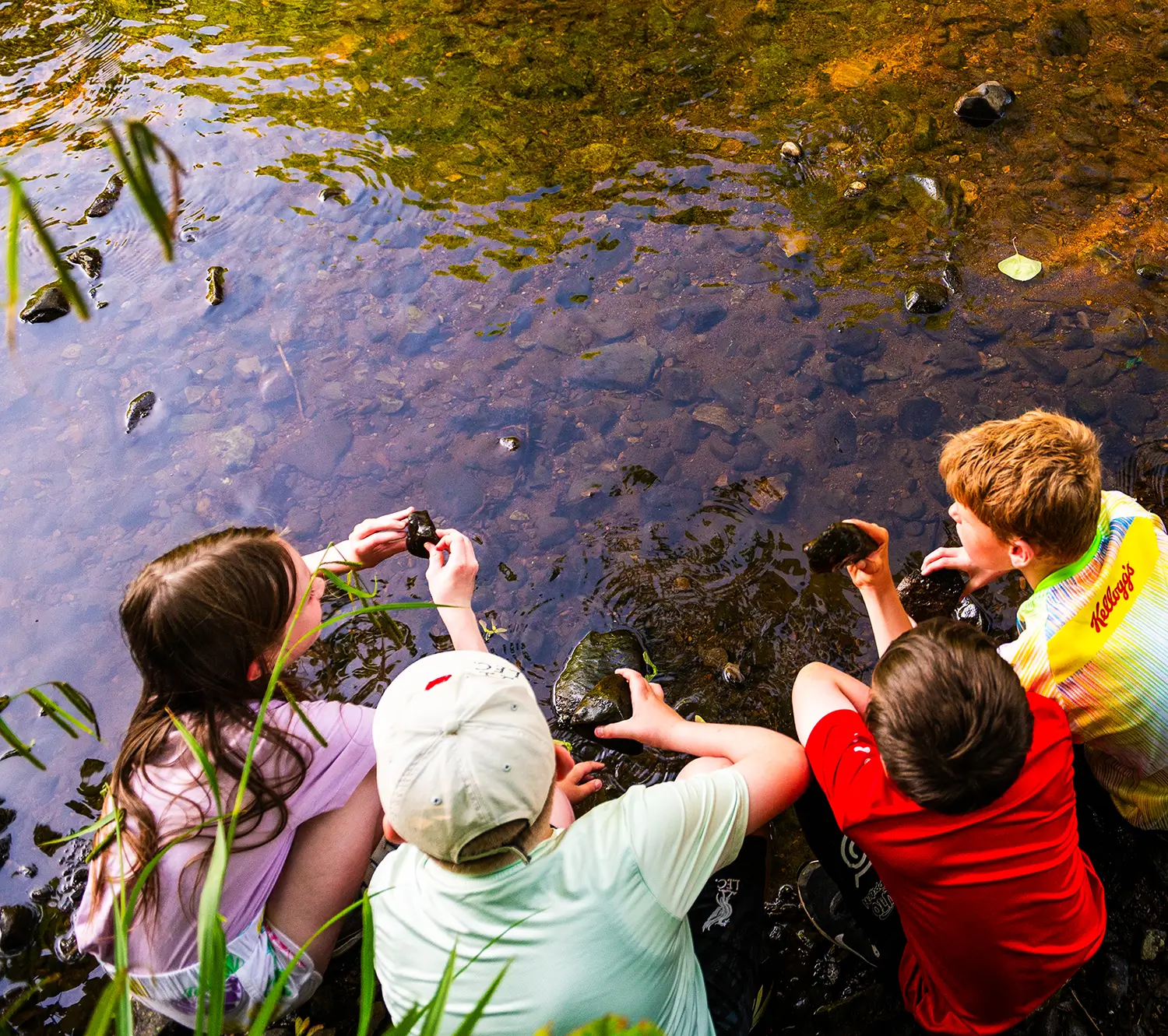
Water quality and biodiversity are deeply connected. Healthy aquatic ecosystems rich in biodiversity play a vital role in maintaining clean water. In turn, clean water is essential for sustaining the diverse aquatic life that thrives in our River Bonet. As you walk, discover the rich variety of local species and learn how nature reveals the signs of water quality all around you.

LIGHTING THE WAY

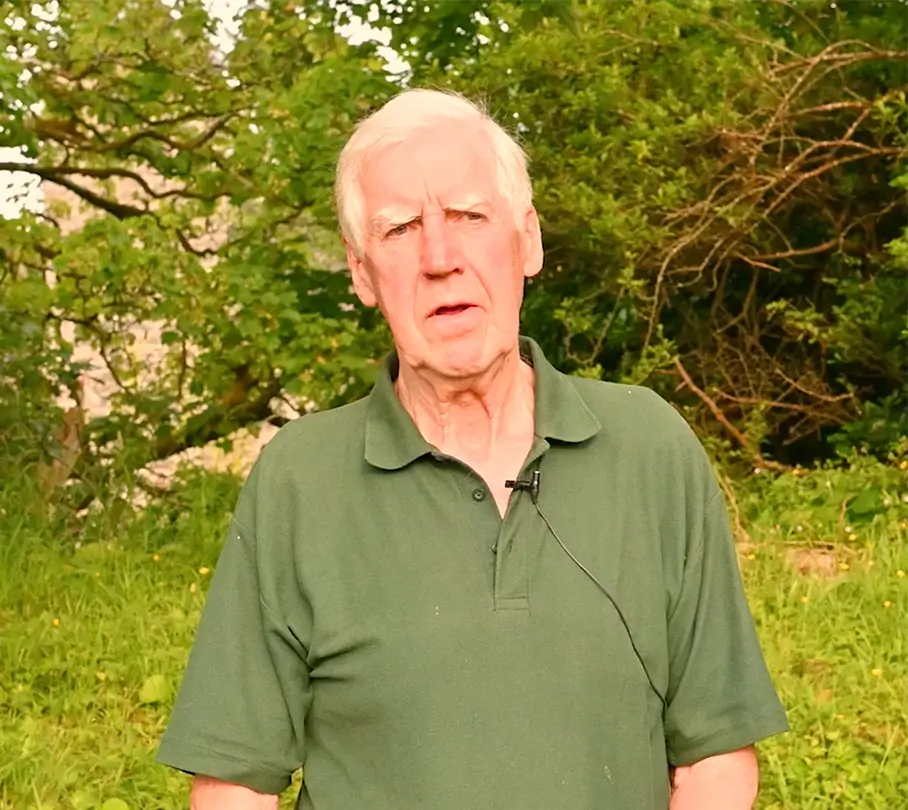
As you enjoy your walk through the scenic surroundings of Dromahair Park, take a moment to discover some fascinating local history. Long-time resident George McGoldrick shares stories from the past, including the workings of Dromahair’s historic water mill and the remarkable introduction of the first hydroelectric power on the River Bonet.

Learn how innovation and tradition shaped Dromahair and its riverside landscape.

LIGHTING THE WAY

HEDGEROWS A HAVEN FOR BEES & WILDLIFE

HEDGEROWS A HAVEN
FOR BEES & WILDLIFE

Solitary bees are Ireland’s most common type of bee and some of its best pollinators. Although they don’t live in colonies, solitary bees play a vital role in pollination. They scatter pollen broadly between flowers, making them especially effective, even compared to honeybees and bumblebees, which tend to carry pollen moredirectly on their legs.

WOODLANDS

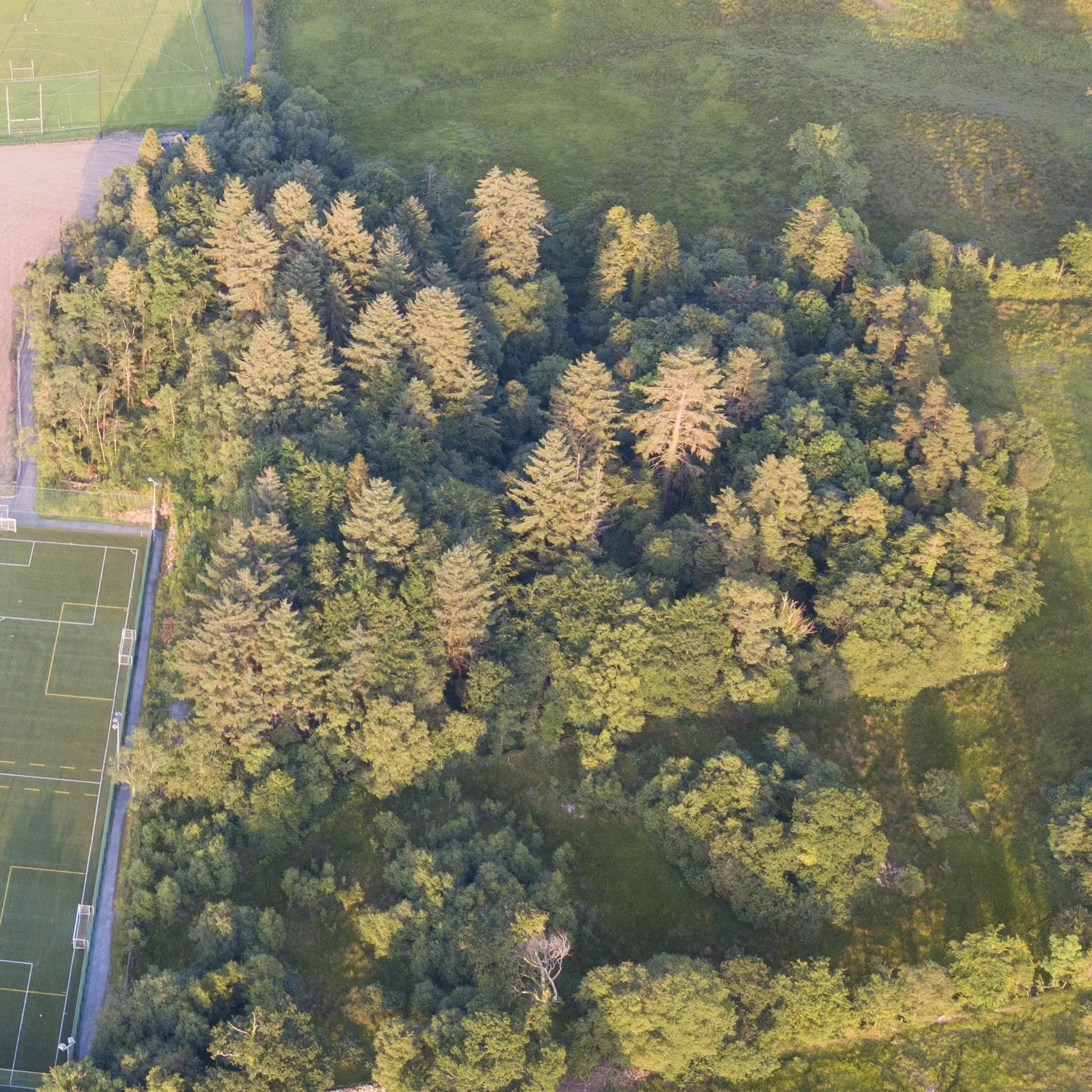
The woodlands of Dromahair Park are rich in life and vital to our environment.

These native woodlands featuring oak, ash, hazel, birch, and scots pine support a wide variety of wildlife including rare and endangered species.

They also help filter our water, store carbon, and play a key role in combating climate change. Discover our local woodland on your walk around Dromahair Park.

WOODLANDS

CONES & FERNS

CONES & FERNS

In Ireland, ferns such as the Hart’s tongue fern reproduce using tiny spores instead of seeds or cones. These spores are usually found on the underside of their fronds and are spread by the wind. In contrast, cones are produced by coniferous trees, like the native Scots Pine (Pinus sylvestris). The Scots Pine is a tall, evergreen tree that stands out with its distinctive grey-green needle and reddish-brown, flaky bark. It plays an important role in native woodland ecosystems.
The tree produces woody cones that contain seeds, which are a vital food source for our native Red Squirrels.

BIRD SONG

Dromahair Park is home to a rich and diverse birdlife, with approximately 200 species recorded in the area. This includes a mix of year-round residents and seasonal visitors that migrate during different times of the year. Whether you’re walking through the woods or resting near the open fields, you’re likely to spot a variety of bird that bring sound and colour to the landscape. Some of the most commonly seen and heard species include the Robin, Blackbird, Blue tit, and Chaffinch— each contributing to the vibrant chorus of Dromahair Park throughout the seasons.

BIRD SONG

CREEVELEA ABBEY

CREEVELEA ABBEY

Founded in 1508 by Margaret O’Brien and her husband Owen O’Rourke, Lord of Breifne, Creevelea Abbey is a Franciscan friary rich in history and heritage. As one of the last monasteries established in Ireland before the Dissolution of the Monasteries under King Henry VIII, Creevelea belonged to the Third Order of Saint Francis. It remained in use until the 17th century, when the Cromwellian army forced the Franciscans to leave. Today, the extensive ruins include the church, cloister, and domestic buildings. The tower rising above the church was originally a bell tower, later adapted for living quarter in the 1600s.

WALK YOUR WAY TO WELLNESS

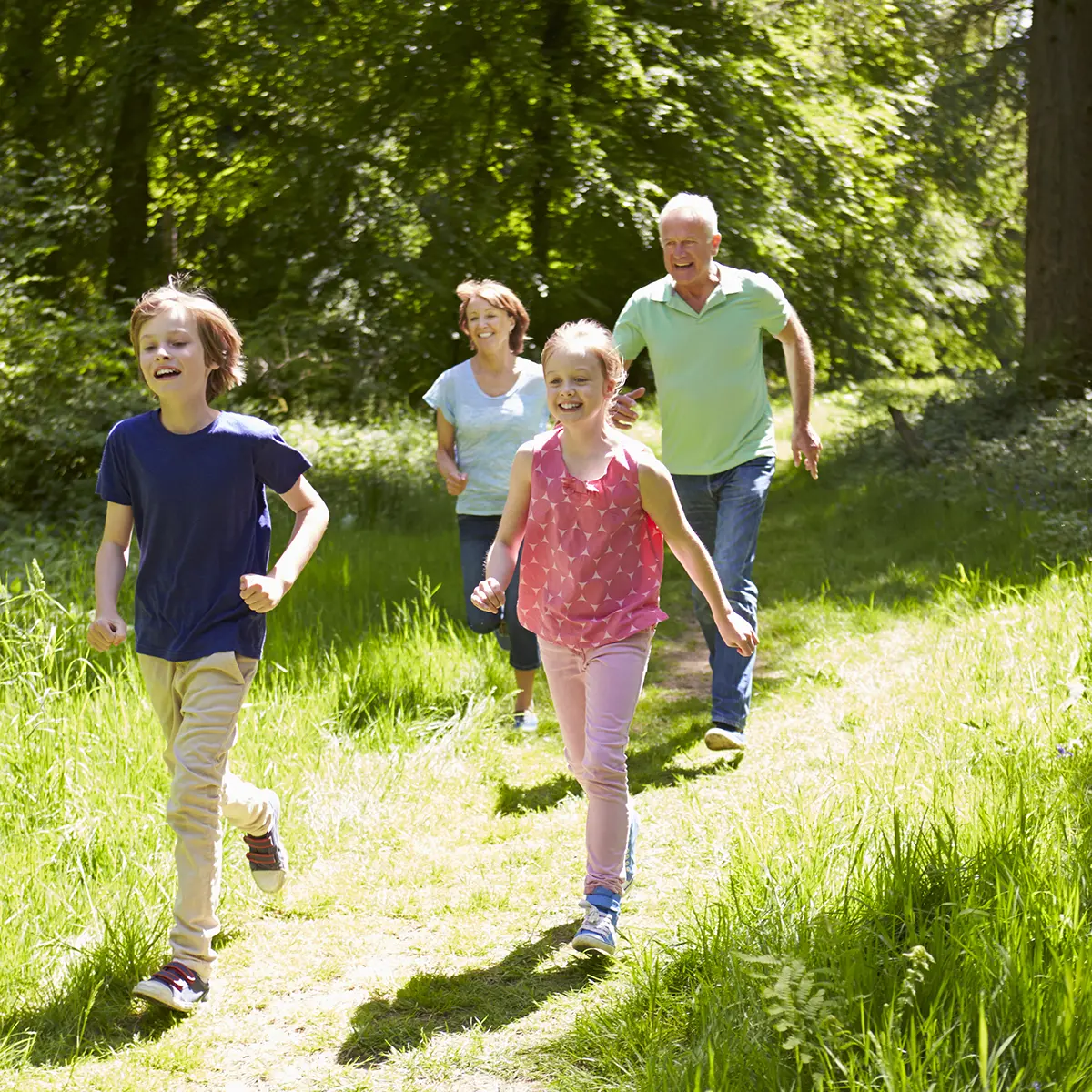
Walking for 30 minutes a day or more on most days of the week is a great way to improve or maintain your overall health. If you can’t manage 30 minutes a day, remember even short walks more frequently can be beneficial. Walking with others can turn exercise into an enjoyable social occasion.

WALK YOUR WAY TO WELLNESS

CREEVELEA ABBEY
CREEVELEA ABBEY
WALK YOUR WAY TO WELLNESS
THE RIVER BONET
THE RIVER BONET
WHY WATER QUALITY MATTERS
LIGHTING THE WAY
LIGHTING THE WAY
HEDGEROWS
HEDGEROWSA HAVEN FOR BEES AND WILDLIFE
WOODLAND
WOODLAND
CONES AND FERNS
CONES AND FERNS
Bird Song
Bird Song
keyboard_arrow_up